“We shall go on to the end, we shall fight in France, we shall fight on the seas and oceans, we shall fight with growing confidence and growing strength in the air, we shall defend our Island, whatever the cost may be, we shall fight on the beaches, we shall fight on the landing grounds, we shall fight in the fields and in the streets, we shall fight in the hills; we shall never surrender.”
In 2024, we raised $8000. Let’s see if we can surpass the $8000 total this year!
Please give checks to Sandy this week. The drive will end on Tuesday, December 8 with results announced on the 15th at the holiday party.
Remember to make all checks payable to Family Sharing. If you donate online, put TM Rotary in the Subject line. Click here or on the image below to donate directly.
Team Mequon includes Sam Azinger - Don McLean
Team Thiensville includes Jeff McLean - Russ and Nancy Witte-Dycus
Thanks for supporting this annual initiative. These dollars go far in our community.
Save the date for the upcoming Veteran Frost Fest!
A free afternoon of family fun, kids’ activities, veteran resources, and entertainment.
Date: January 16, 2027
Time: 1:00 PM – 4:00 PM
Location: War Memorial Center
Hosted in collaboration with the SE WI Veteran Suicide Prevention Task Force. Bring the whole family out to connect, access vital resources, and enjoy the community!
The Thiensville-Mequon Lions Club came through big time for our Rotary Playground Project, handing us a check for $50,000! This will go toward the Roller Table Project which will be named in honor of the Lions Club. It is always gratifying to see all of our local service clubs come together in partnership and service to improve our community as a whole. A heartfelt thank you to our Lions Club brothers and sisters!
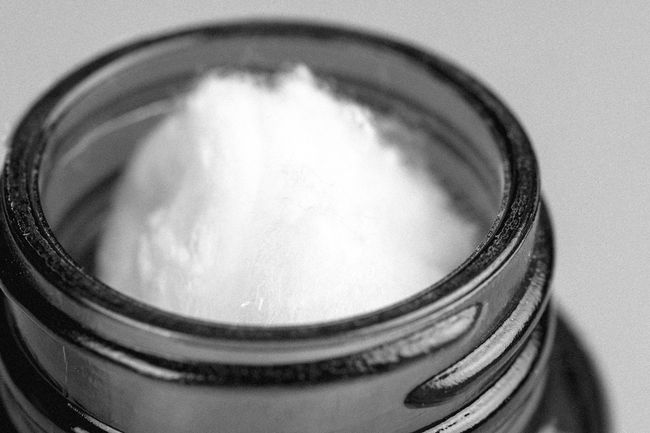
When pharmaceutical companies began putting cotton in pill bottles, it served a practical purpose. While that eventually became obsolete, the cotton itself proved hard to get rid of.
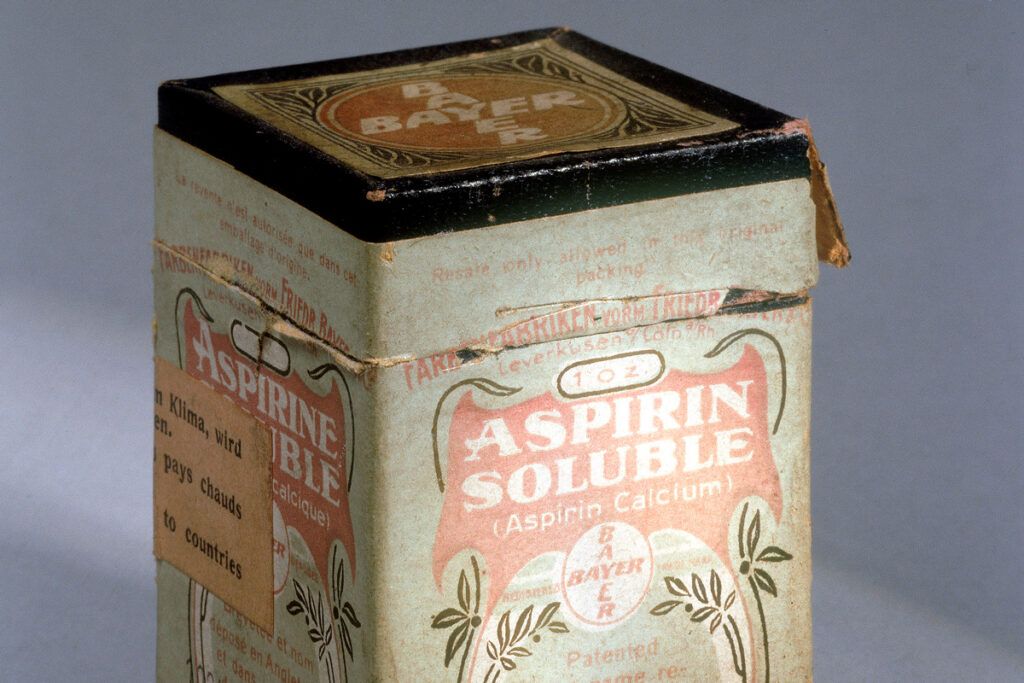
The practice began with Bayer, the German pharmaceutical company behind aspirin. In the early 20th century, Bayer began using cotton wads in its aspirin bottles not to keep the medicine fresh, but to solve a more straightforward problem.
Aspirin tablets, made with acetylsalicylic acid as their active ingredient, could be quite fragile, breaking or crumbling as they rattled around inside the containers during transport. The cotton filled the empty space above the pills, helping keep them from moving around and breaking apart before they reached the customer.
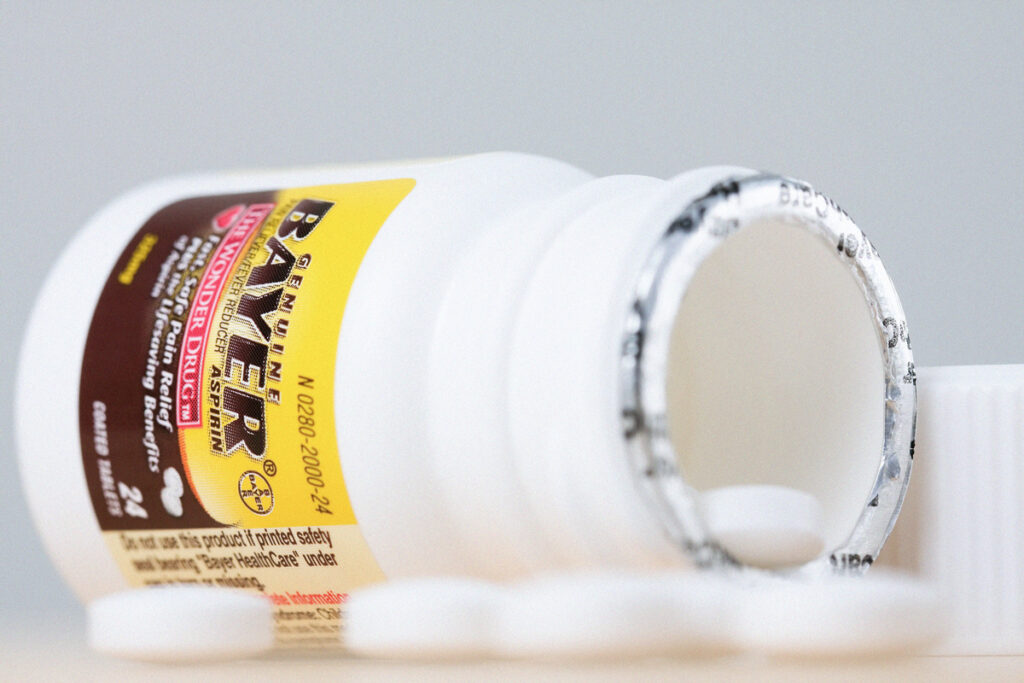
It was a simple solution that, by the 1950s, was standard in most pill bottles. But as pharmaceutical technology improved, including the proliferation of chemical binders, tablets became better equipped to withstand the trials of shipping. Then, in the 1980s, Bayer began coating its aspirin tablets to help prevent breakage. With the pills better protected, the cotton no longer had much work to do. But the company didn’t immediately remove it. Bayer’s cotton ball practice continued for years after the coated tablets were introduced — in fact, the company didn’t discontinue cotton in most of its aspirin bottles until 1999.
Earlier that same year, Bayer introduced its aspirin gelcaps without cotton. The move prompted the company to reconsider the packaging across its product line, and when it finally did away with cotton balls, it was a big enough change that it made headline news in outlets such as The Wall Street Journal. A company spokesperson said at the time that the reason cotton had stayed in the bottles for so long was simply that it was tradition.
Bayer’s decision didn't mean the end of cotton wadding in all pill bottles, though. Other manufacturers, including Johnson & Johnson, Eli Lilly, and the makers of Maalox, continued using it in their products.
Cotton still hasn’t disappeared from every medicine bottle, and it isn’t always there just out of habit. Bayer itself continues to use it in some products to minimize breakage during shipping. This includes enteric-coated tablets, which have a special coating designed to prevent stomach irritation.Supplement maker Now Foods still uses cotton in certain products to protect tablets from damage, while consumers have also reported commonly finding cotton in generic bottles of ibuprofen and acetaminophen, and in bottles of Claritin — another Bayer brand.
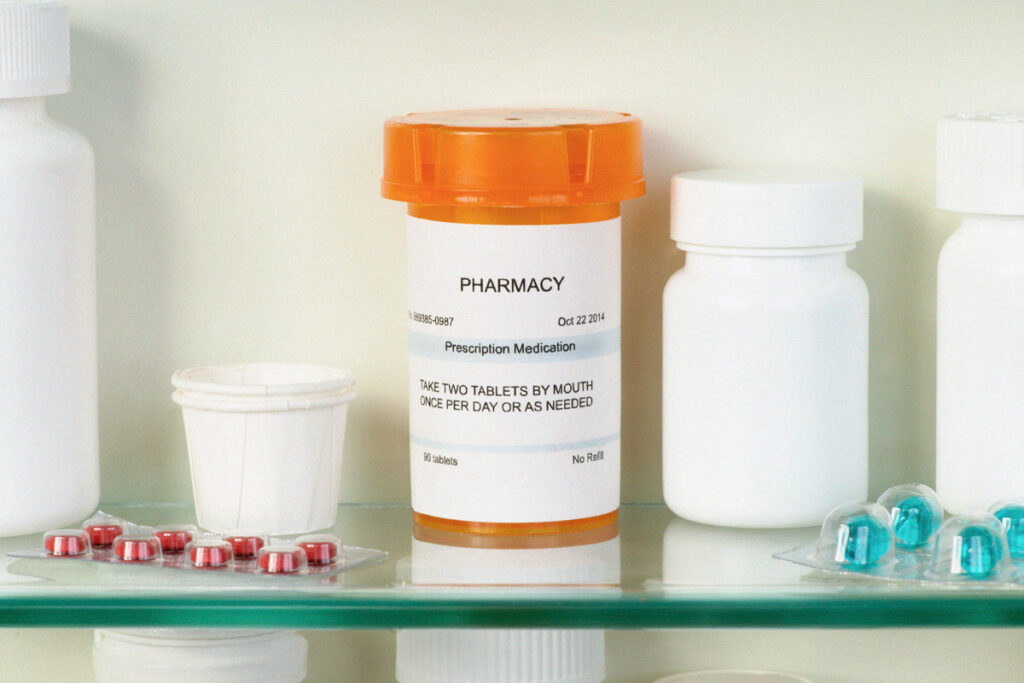
Regardless of how it ended up there, the little cotton wad shouldn’t stay in the bottle. MedlinePlus, the National Library of Medicine’s consumer health resource, advises removing the cotton after the bottle has been opened. Once the seal is broken, the cotton can actually draw moisture into the container, potentially affecting the medicine it was created to protect more than a century ago.