Gratitude is the inward feeling of kindness received. Thankfulness is the natural impulse to express that feeling. Thanksgiving is the following of that impulse.
Week Three Results - Team Thiensville is catching up!
Team Mequon - $4025
Team Thiensville - $2070
Grand total of $6095
The drive will end on Tuesday, December 8 with results announced on the 15th at the holiday party.
Remember to make all checks payable to Family Sharing. If you donate online, put TM Rotary in the Subject line. Click here or on the image below to donate directly.
In 2024, we raised $8000. Let’s see if we can surpass the $8000 total this year!
Please give checks to Sandy this week. The drive will end on Tuesday, December 8 with results announced on the 15th at the holiday party.
Remember to make all checks payable to Family Sharing. If you donate online, put TM Rotary in the Subject line. Click here or on the image below to donate directly.
Team Mequon includes Sam Azinger - Don McLean
Team Thiensville includes Jeff McLean - Russ and Nancy Witte-Dycus
Thanks for supporting this annual initiative. These dollars go far in our community.
Save the date for the upcoming Veteran Frost Fest!
A free afternoon of family fun, kids’ activities, veteran resources, and entertainment.
Date: January 16, 2027
Time: 1:00 PM – 4:00 PM
Location: War Memorial Center
Hosted in collaboration with the SE WI Veteran Suicide Prevention Task Force. Bring the whole family out to connect, access vital resources, and enjoy the community!
Credit: GraphicaArtis/ Archive Photos via Getty Images
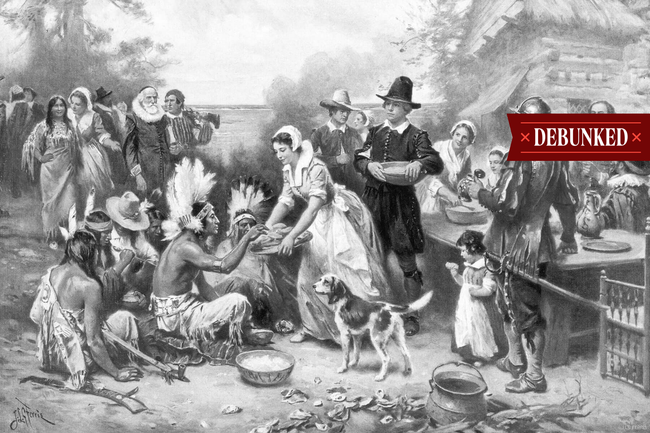
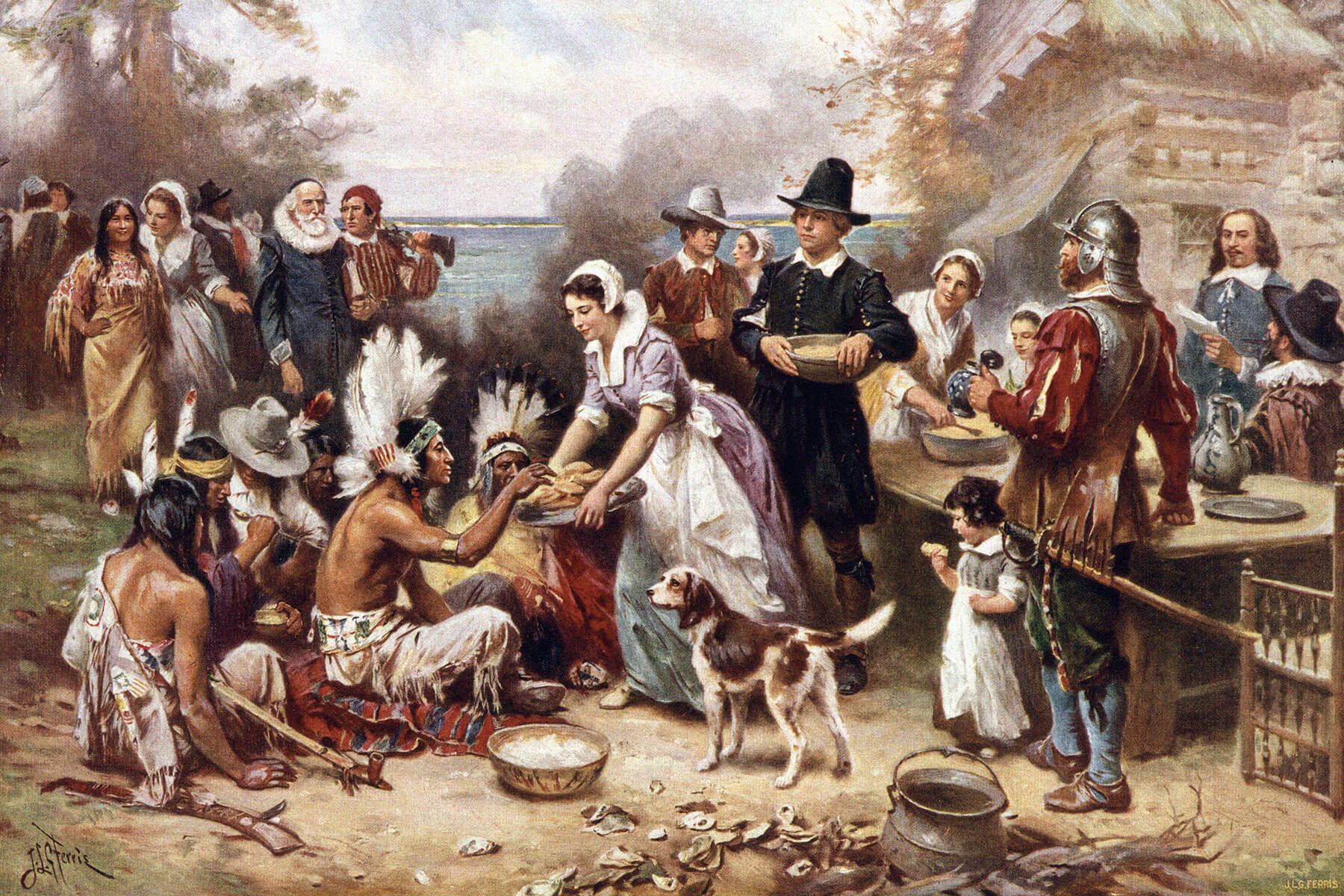
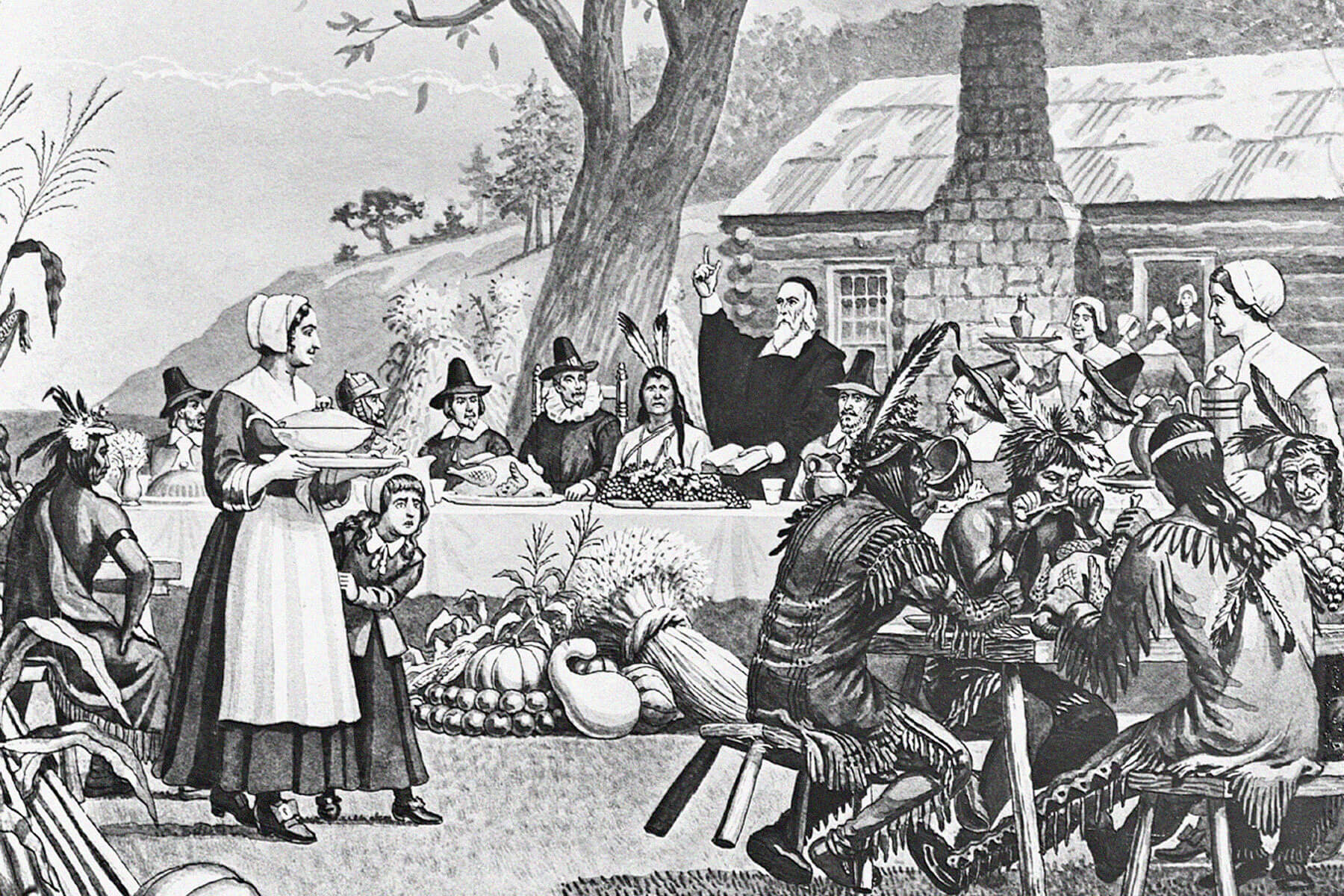
The narrative of the American Thanksgiving holiday is based on what has traditionally been considered the first Thanksgiving in 1621, celebrated by the English settlers who arrived on the Mayflower in 1620 and the Indigenous people who helped them learn to survive in their new home. It’s an uplifting tale that has been shared across generations and woven into the history of the United States — but the real story is far more complicated and nuanced than most of us were taught in elementary school. That version downplays the truth about the violence and oppression experienced by Indigenous peoples at the hands of European colonists.
The familiar Thanksgiving story hinges on the romanticized idea that the Pilgrims and Native Americans came together in harmony to celebrate a bountiful harvest. Historical documentation from the era is limited, and the precise details of the now-famous 1621 feast and the relationship between the two groups remain the subject of scholarly debate. Still, the foundational myth of the Pilgrims’ first Thanksgiving continues to be central to the holiday’s narrative, even as historians strive to paint a more accurate and less idealized portrait. With that in mind, here is what we know about five popular myths around the origin of Thanksgiving.
Photo credit: GraphicaArtis/ Archive Photos via Getty Images
Myth: The First Thanksgiving Was in 1621
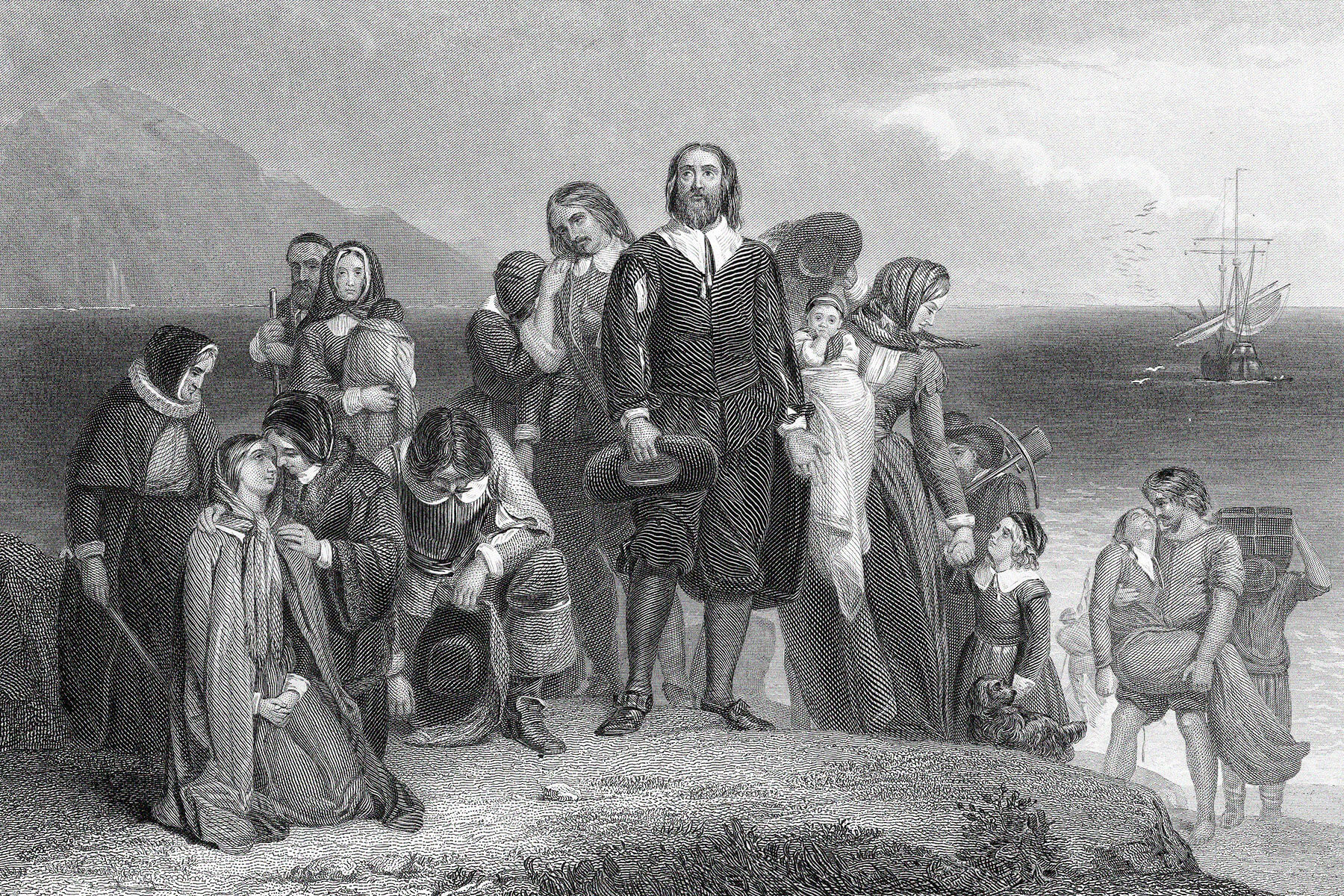
The origin story of Thanksgiving details how the Mayflower left Plymouth, England, in September 1620 and arrived near Cape Cod two months later, after which time passengers established a settlement at what is now Plymouth, Massachusetts. Then, in 1621, the settlers celebrated their first successful harvest with a three-day feast that included the participation of many Wampanoag people, marking what we now consider the first Thanksgiving. However, other “days of thanksgiving” were held throughout the American colonies before 1621, such as in Popham Colony, Maine, in 1607, and in Jamestown, Virginia, in 1610, with an emphasis on prayer (compared with the nonreligious celebration of 1621).
Photo credit: Andrew Burton/ Getty Images News via Getty Images
Myth: Thanksgiving Has Been an Annual Holiday Ever Since
Very little was written about the 1621 feast in Plymouth, leading historians to believe it was a onetime event with no particular lasting significance for the Plymouth Colony settlers. In fact, the first attempt at establishing an annual Thanksgiving observance in the colonies began not in Massachusetts, but in Virginia. In December 1619, a group of English settlers from Bristol, England, arrived at Berkeley Hundred (later known as Berkeley Plantation) near the James River in Virginia. In accordance with their charter, the settlers were to hold “a day of thanksgiving to Almighty God” each year on the day of their arrival. But in 1622, the Powhatan people attacked the English settlement in resistance to the settlers’ expansion and oppression. The Berkeley Hundred was abandoned, and the history of Virginia’s annual thanksgiving tradition was largely forgotten.
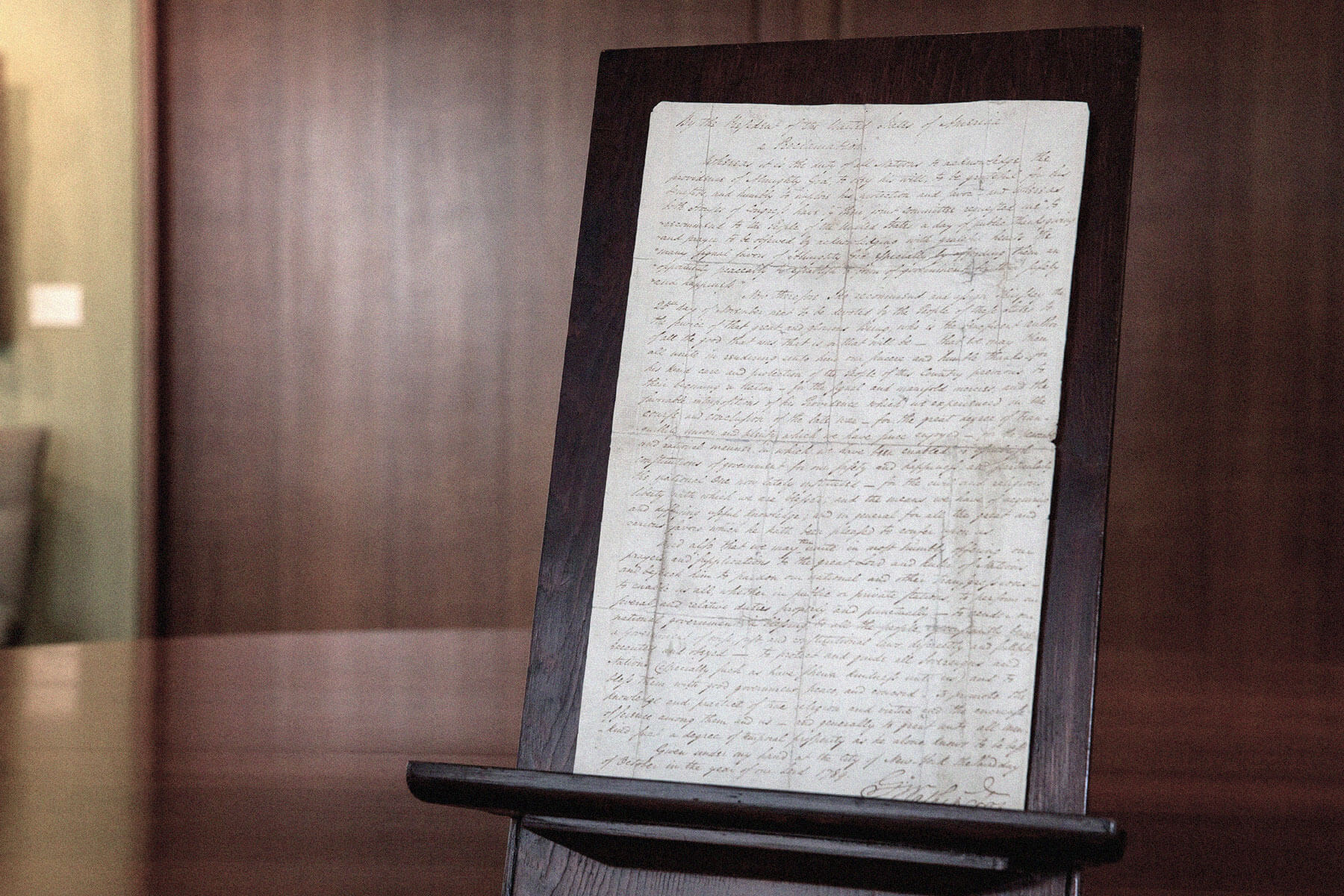
For the next 150 years, thanksgiving festivals were sporadic and regional. In 1789, President George Washington proclaimed Thursday, November 26, “a day of public thanksgiving and prayer,” but the tradition didn’t stick with subsequent Presidents. In fact, Thomas Jefferson felt it was a conflict of church and state to hold a day of prayer and thanksgiving. It wasn’t until 1863, when President Abraham Lincoln proclaimed the last Thursday of November as a “day of Thanksgiving,” that the tradition became a national holiday held each year.
Photo credit: Kean Collection/ Archive Photos via Getty Images
Myth: The First Settlers Were Called Pilgrims
The group of English colonists who settled in Massachusetts have become known as Pilgrims, but they were initially known by various other names. They referred to themselves as “Saints” and were also called “Separatists” because they wanted to break from the Church of England. They were also called “Old Comers” and, later, “Forefathers.” It wasn’t until sometime between 1630 and 1651 that Plymouth Colony Governor William Bradford used the term “pilgrimes” in his history book Of Plymouth Plantation, drawing on an Old Testament reference to their religious devotion.
It took some time for Bradford’s terminology to gain widespread acceptance, and the term “Pilgrim” wasn’t commonly used to refer to the group until the 19th century. During the bicentennial celebration of the colony’s founding in 1820, politician Daniel Webster called the settlers the “Pilgrim Fathers,” a name that eventually became the enduring label for the group.
Myth: The Pilgrims and the Indigenous Peoples Were Friends
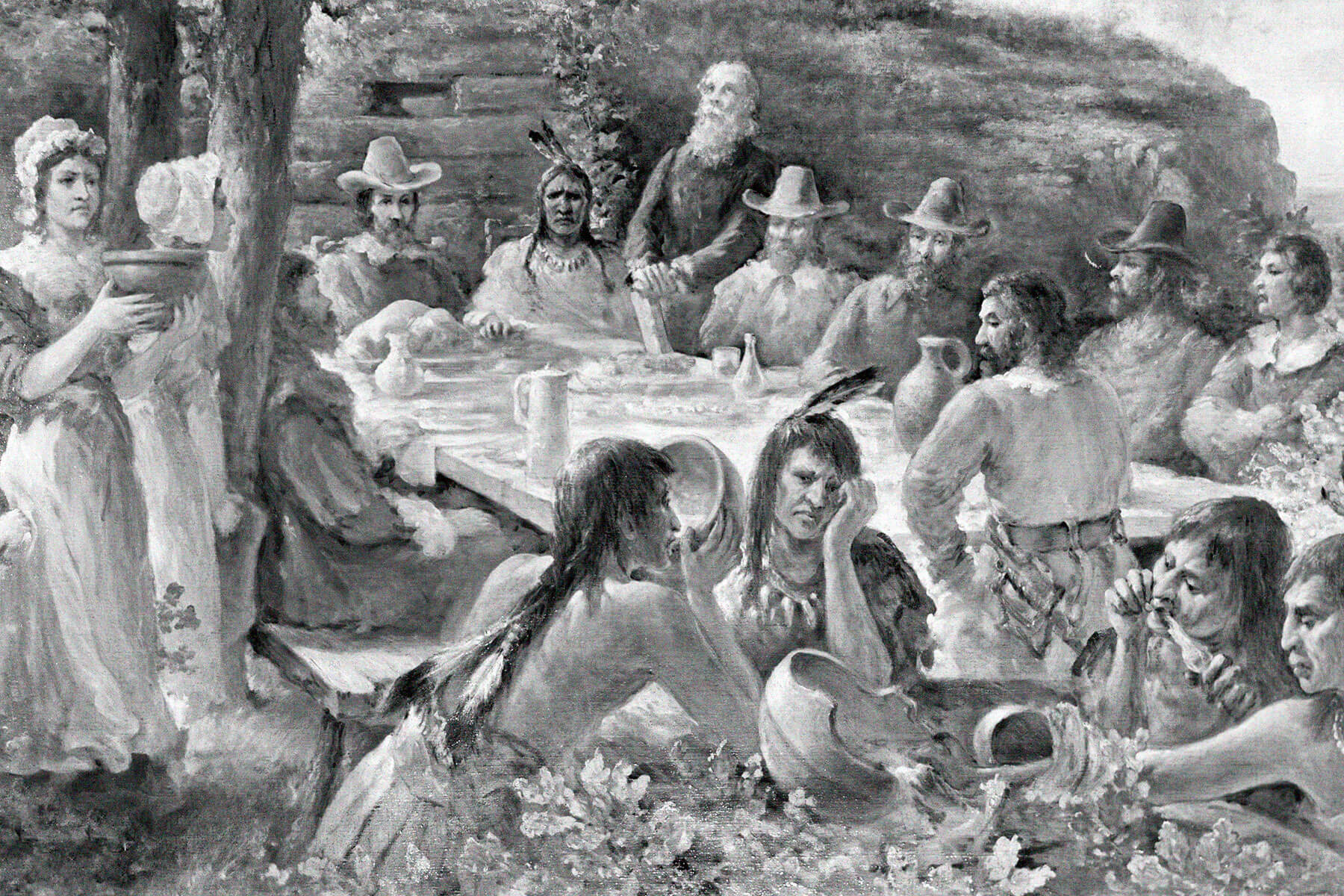
While the traditional Thanksgiving narrative suggests the Pilgrims extended an invitation to the local Native American people to join their feast as a gesture of friendship, there are no historical records to support that. We do know that when the Pilgrims arrived at Patuxet — the Indigenous name of the area that became Plymouth Colony — they cultivated a mutually beneficial alliance with the Wampanoag people. The Wampanoag wanted access to European weapons to defend themselves against their enemies, the Narragansett, and the Pilgrims needed the help of the Native American people to survive the harsh Massachusetts winters.
There is little documentation about the 1621 festival to explain why the Wampanoag people were in attendance. We do know, however, that their chief, Massasoit, was there along with 90 men. Rather than a friendly gathering, the three-day thanksgiving festival in 1621 was likely a way to further support the alliance of the two groups. That alliance, however, deteriorated over time, leading to the First Indian War (also called King Philip’s War) in 1675.
With the assistance of the Indigenous people, the Pilgrims had learned to grow local vegetables, such as beans, spinach, carrots, and corn. Once removed from the cob, boiled, and pounded, the corn would have been served as a porridge. Contemporary favorites, such as mashed potatoes and sweet potatoes, hadn’t yet become a part of the Pilgrims’ diet, and while they would have had pumpkins, they lacked the flour and sugar to make a proper pie. (Settlers brought some provisions over from England, but it’s unlikely there was much left at the time.) Likewise, while the Wampanoag may have used cranberries to add tartness to their food, the lack of sugar likely meant no cranberry sauce. In fact, the first recipe for sweetened cranberry sauce didn’t appear in an American cookbook until 1796.